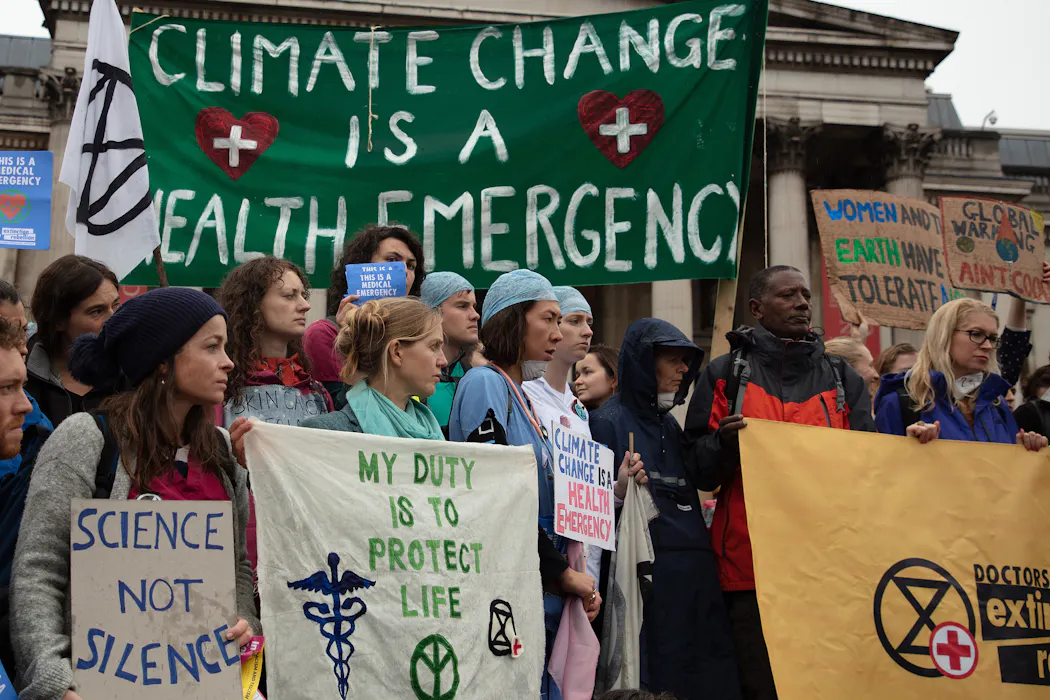
The evidence that climate change threatens human health has never been stronger. Yet a new report suggests that world leaders are giving less attention to its health consequences in international political debate.
The 2026 Lancet Countdown report estimates that heat was associated with 710,000 deaths worldwide in 2023, with around 71% attributable to human-caused climate change. Researchers calculated this by comparing estimated heat-related deaths at the temperatures actually experienced with those expected in a world without human-caused warming. The difference represents the additional deaths associated with climate change.
Heat can cause fatal heatstroke and worsen existing conditions, including heart and kidney disease. The figure is a statistical estimate of the additional deaths caused by warming, rather than a count of individual deaths directly identified as resulting from climate change.
Meanwhile, the proportion of countries whose leaders discussed the relationship between climate change and health during the United Nations General Debate fell from 66% in 2021 to 26% in 2025. The General Debate is the annual gathering at which world leaders address a broad range of international issues.
Europe’s record-breaking heatwaves during the summer of 2026 brought the consequences of rising temperatures into sharp focus. Research examining 854 European cities estimated more than 50,000 heat-related deaths that summer, with around two-thirds attributable to human-caused warming. Using a similar approach, researchers compared the estimated death toll under actual temperatures with the number expected without the additional warming caused by human activity.
Climate change competes with more immediate political concerns, including energy prices, economic pressures and international conflicts. The health benefits of cutting emissions may take time to become visible, while governments face pressure to respond to events unfolding today.
But fewer mentions in UN speeches do not necessarily mean that governments are doing less. The same Lancet Countdown analysis found that 93% of national climate commitments submitted in 2025 mentioned health. Governments may also act through heat-warning systems, cleaner transport or building regulations without repeatedly invoking climate change in international speeches.
The more important question is whether policies deliver measurable protection. Announcing a plan provides little reassurance if vulnerable people remain exposed to dangerous heat or health services lack the resources to respond.
The kidneys reveal a growing health threat
As a kidney physician, I see particular reasons for concern. Chronic kidney disease affects hundreds of millions of people worldwide. The kidneys help filter waste from blood and maintain the body’s balance of water and salts, making them vulnerable when extreme heat disrupts that balance.
Recent research links hot temperatures with increased kidney-related illness. Heat stress and dehydration can contribute to acute kidney injury, particularly among people working in hot conditions and those with existing health problems. Whether repeated heat exposure accelerates chronic kidney disease across the wider population is less certain and remains an important research question.
Air pollution may also affect kidney health. A systematic review found associations between exposure to several common air pollutants and poorer measures of kidney function.
Health benefits that can be felt now
Some climate measures can improve health well before the full benefits of reduced global warming become apparent.
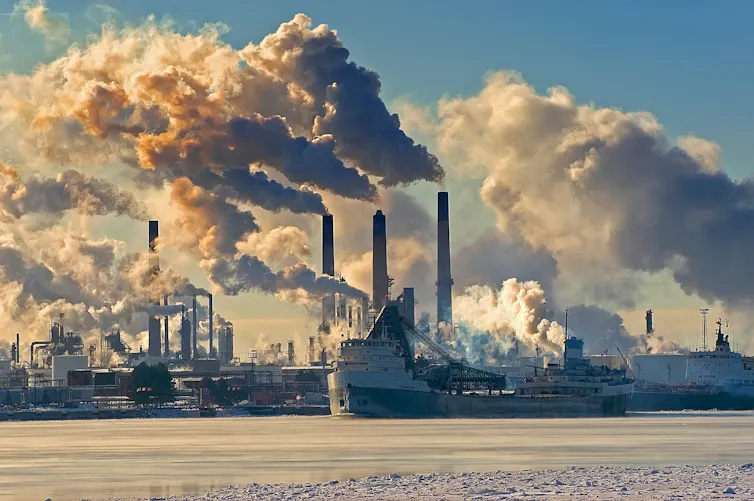
Cleaner energy can reduce harmful air pollution. The Lancet Countdown estimates that declining fossil fuel-related air pollution has helped prevent around 323,000 premature deaths annually across at least 77 countries.
Dennis MacDonald/Shutterstock
Trees provide shade and cooling in cities, while restored wetlands can help manage flooding and support biodiversity. A review of research on urban trees found consistent cooling benefits, although their effectiveness depends on local climate and how cities are designed.
The healthcare system also has responsibilities. The sector accounts for around 5% of global greenhouse gas emissions. Reducing waste and unnecessary resource use can contribute to a more sustainable service, provided patient care is protected.
Biodiversity and the library of life
Human health also depends on functioning ecosystems. The international biodiversity science body IPBES has documented how biodiversity loss is connected with threats to water, food and health. Healthy ecosystems are valuable in themselves, and Indigenous peoples and local communities have long contributed knowledge and stewardship essential to their protection.
Nature is also an extraordinary library of biological solutions developed through evolution. Many medicines have come from natural products or compounds inspired by them. Scientists are now exploring how artificial intelligence can help identify promising compounds from biological data, potentially speeding up early stages of drug discovery. These possibilities are exciting, but translating a promising compound into a safe and effective treatment requires extensive research.
Protecting biodiversity is therefore relevant to both present health and future scientific discoveries. AI may help researchers understand some of nature’s complexity, but it cannot restore an extinct species or replace the ecological knowledge held by communities.
The political challenge is to connect the evidence of harm from climate change with practical decisions that protect people. Climate change is already affecting health, and the benefits to human health of protecting the environment are not confined to some distant future.
Destroying the natural systems that sustain health while scientists are still learning how they work would be a costly mistake.

Peter Stenvinkel receives funding from CIMED, Heart and Lung-Foundation, ALF and Westman Foundation.