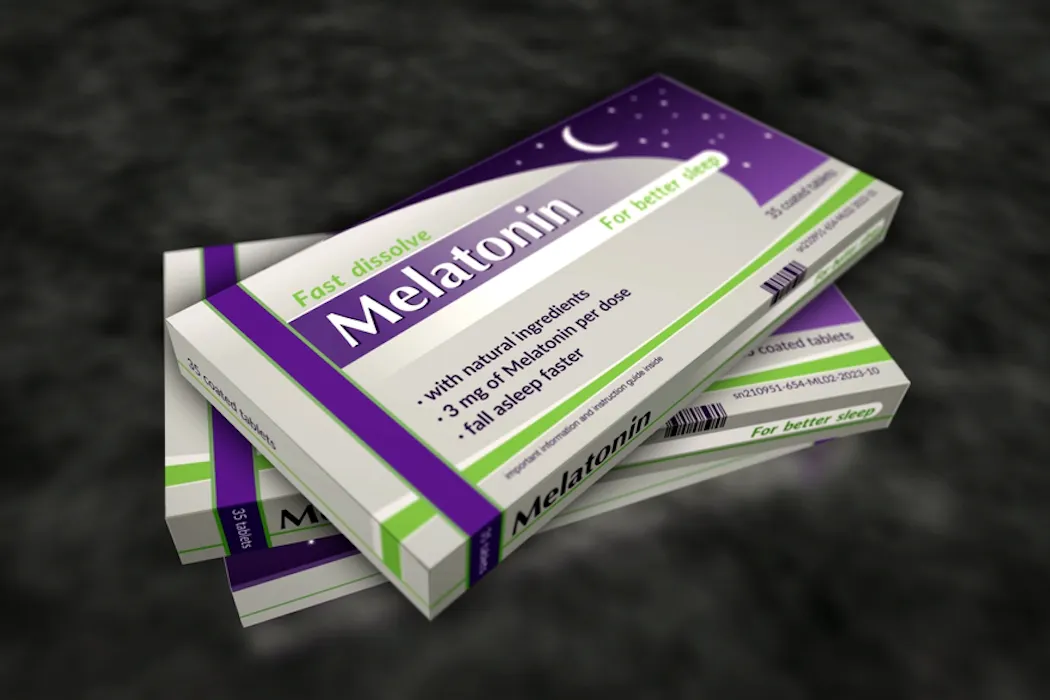
Melatonin is best known for helping us sleep. But a new study suggests it might have another surprising use: easing muscle and joint pain.
Produced naturally by the pineal gland in the brain at night, melatonin helps regulate the body’s sleep-wake cycle. That’s why this hormone is widely used as a treatment for insomnia and jet lag.
Sleep and pain are closely linked (poor sleep can make pain feel worse, and pain can make sleep harder). But melatonin may also reduce pain directly. Researchers believe it dampens pain signals in the brain and spinal cord, reduces inflammation, calms overactive nerves and protects cells from oxidative stress – the cellular wear and tear caused when harmful molecules build up.
In the new study, researchers combined the results of 23 clinical trials involving over 2,000 participants to identify overall patterns. These trials looked at melatonin for long-term muscle and joint pain as well as pain after surgery.
Overall, melatonin reduced both pain and sleep problems in people with chronic muscle and joint pain. But the improvements were modest. On average, pain scores fell by about nine points on a 100-point scale. That’s within the range reported for some anti-inflammatory drugs in similar studies, although the two treatments haven’t been directly compared.

Krakenimages.com/Shutterstock.com
Melatonin’s effects may also depend on whether people already have sleep problems or other long-term health conditions. Most of the chronic pain studies included people who already had poor sleep to begin with, but none of the trials looked at results separately for people with and without sleep issues. Because of this, it’s unclear whether melatonin works better for people who struggle with sleep or whether the effects are similar for everyone.
The findings were much less convincing for pain after surgery. Melatonin did not make a noticeable difference to pain or sleep. One analysis found a tiny improvement (about 2.5 points on a 100-point pain scale), but this is far below what would matter to patients recovering from surgery.
The benefits in chronic muscle and joint pain are modest. Based on the current evidence, melatonin should be seen as a possible add-on treatment rather than a replacement for established therapies. The evidence suggests melatonin could complement treatments such as physiotherapy, exercise and anti-inflammatory medicines rather than replace them.
What we still don’t know
There is also still a lot we don’t know. The trials in this study used a wide range of doses, from 1mg to 10mg, and the researchers couldn’t determine which dose worked best.
There were hints that longer treatment helped more in chronic pain, but this was based on only a few studies. There is also very little evidence on the effectiveness of higher doses, even though they appear safe in other studies.
Melatonin is widely used and generally considered safe for short-term use, but it can cause side-effects, such as daytime sleepiness, dizziness, headaches and nausea.
People with liver or kidney conditions, or those with autoimmune conditions like rheumatoid arthritis, should speak with a doctor or pharmacist before taking it.
It is also worth noting that melatonin is regulated very differently around the world. In the US, melatonin is sold as a dietary supplement, meaning people can buy it easily in supermarkets and online without medical advice. But in the UK, melatonin is a prescription-only medicine and is only licensed for short-term sleep problems and jet lag.
For now, the findings suggest melatonin may offer modest relief for some people with chronic muscle and joint pain, particularly if poor sleep is part of the problem. It’s unlikely to replace established treatments, but it could eventually earn a place alongside them. Larger, well-designed trials will be needed before doctors can say with confidence who is most likely to benefit.

Dipa Kamdar does not work for, consult, own shares in or receive funding from any company or organisation that would benefit from this article, and has disclosed no relevant affiliations beyond their academic appointment.