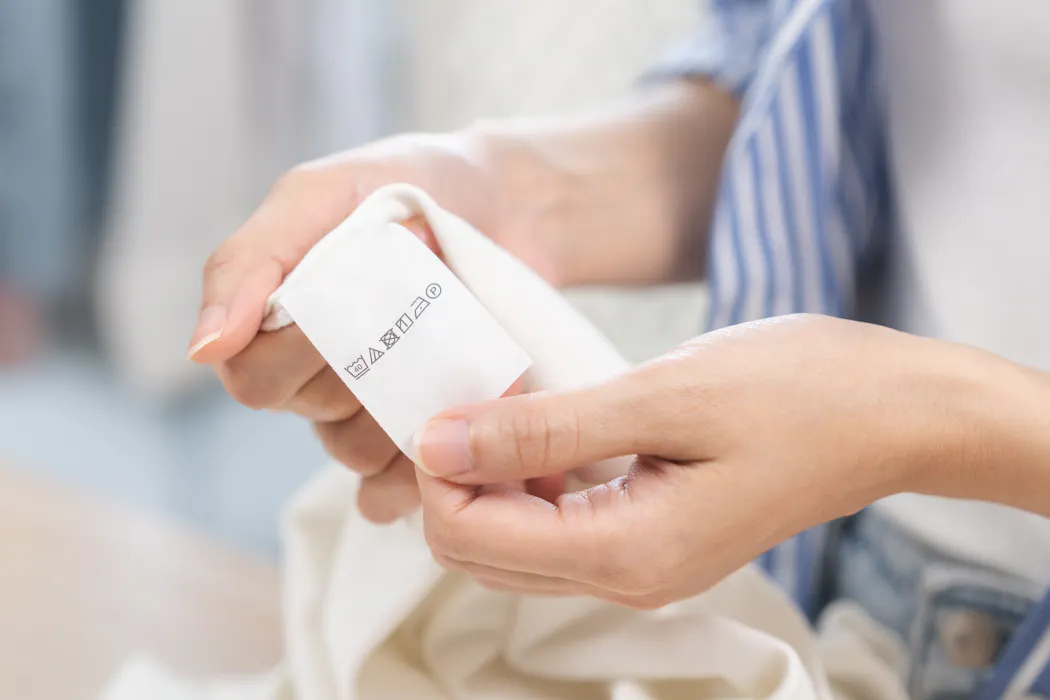
Care labels on clothes are no longer enough for supporting consumers to enjoy their clothes for longer.
Clothing retailers will face growing pressure to think about the whole lifecycle of their products with the forthcoming European introduction of a policy called extended producer responsibility – this holds fashion brands and manufacturers responsible for managing post-consumer waste.
Despite this, many still prioritise to sell new garments and place responsibility on consumers through care labels and instructions to ensure extend use and minimise clothing waste. Our research shows that although some retailers offer care products and repair services, these options are often hidden and secondary in retail stores. This is a missed opportunity. We also found that consumers want practical support to maintain and repair clothing in ways that extend lifespans and reduce environmental consequences.
Clothing lifespans vary depending on design, quality, materials and how garments are used and cared for. Yet, in today’s fast fashion system, which supports a culture of disposable fashion, garments are used for a shorter period than what they have been technically designed for.
Extending lifespan is not only about buying secondhand or reselling; how clothes are washed, repaired, stored and worn also matters. This means that even without retail support, there are steps you can take today.
Here are five ways to extend the life of your clothes through everyday care:
1. Rethink your washing habits
While care labels contain information on what washing machine and tumble dryer programmes are suitable for garments, using these machines less often helps to preserve the textiles. Instead of machine laundry, try to air and re-wear items.
When it comes to denim or clothes from a charity shop, leaving them in the freezer for a couple of days can help to refresh the garment. For small stains, spot cleaning by hand is another option.
2. Know which materials you’re wearing
Garments and textiles are complex: fibres, structure, colour and design all change how clothes get used and looked after. Learning more about textiles can enable you to treat your garments better and make smarter purchases.
Products such as brushes, lint rollers and sweater combs can refresh your garments with minimal effort. However, results depend on the material. For instance, de-pilling is more successful on 100% wool garments than on synthetic blends.

nblx/Shutterstock
Stain removal depends on what the textile can handle, what various cleaning products do, and the type of stain. You can find information online in many languages.
Gentle stain-removal products are also widely available. Waterproof clothing can be reproofed, but try to avoid products containing forever chemicals known as Pfas. Pfas are chemical compounds that are water and fat repellant, however they don’t easily break down in nature and can accumulate in the environment. They are harmful to human and animal health.
Wax and leather conditioning can also prolong the life and performance of certain garments.
3. Rummage in your wardrobe
Many people, especially women, in affluent societies feel ashamed of how much clothing they own. Many wardrobes contain numerous passive clothes that are stored away and not planned for future use.
As a result, downsizing and decluttering are popular. However, viewing your wardrobe less critically can help you rediscover forgotten favourites and unlock the potential of the garments you already own. Holding on to clothes not currently in use can be a smart choice. Future changes in fashion, your body or your taste can make you regret discarding old favourites. Assessing what you wear, what you never wear, and why can also help you avoid new purchases and make more successful ones.
Slow fashion content creators share tips on social media like “define your style in three adjectives” pinpointing the attributes you should look for in garments and outfits, or colour analysis that helps identify the tones and colours that suit you best. These methods can be useful to identify and recognise the clothes that bring real joy.
Artem Stepanov/Shutterstock
4. Learn to repair and upcycle
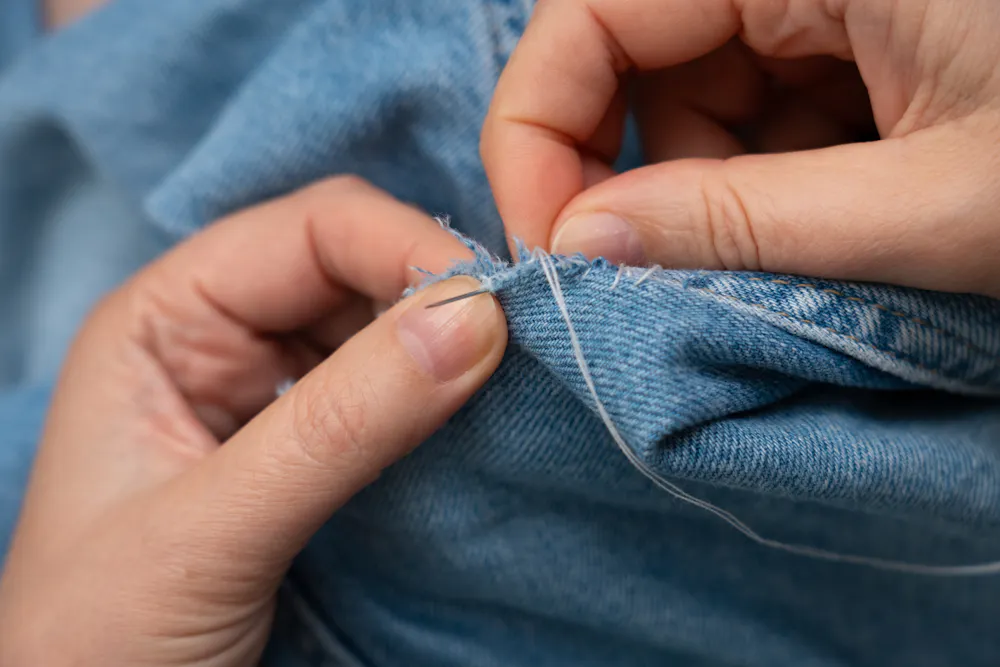
You might know how to close a hole or replace a button, but how about darning socks, repairing knitted sweaters or hemming trousers? In our research, we found that even if consumers care about their clothes and want to extend their life, lack of repair skills can be a hindrance. However, the growing popularity of public repair workshops provide an opportunity to exchange repair skills and connect with a like-minded local community. Look for repair cafes via your local library, for example.
5. Choose retailers that prioritise aftercare
Fashion brands need to normalise extended use, and present garments as repair and care-worthy.
A few retailers have started to recognise the need to help consumers enjoy their clothes for longer and offer genuine after care. Look for brands and retailers that offer repair services, accessible original parts, patches and even repurposing and tailoring. This could encourage brands to provide more than just environmental messages on care labels or low-quality repair kits for hard-to-repair products.
The goal is to normalise caring for old products and make aftercare a core part of the retail industry, not an optional extra.

Réka Tölg’s research is conducted within the CARE project, which receives funding from the European Union under Grant Agreement No. 101135141.
Ingrid Haugsrud’s research is conducted within the CARE project, which receives funding from the European Union under Grant Agreement No. 101135141