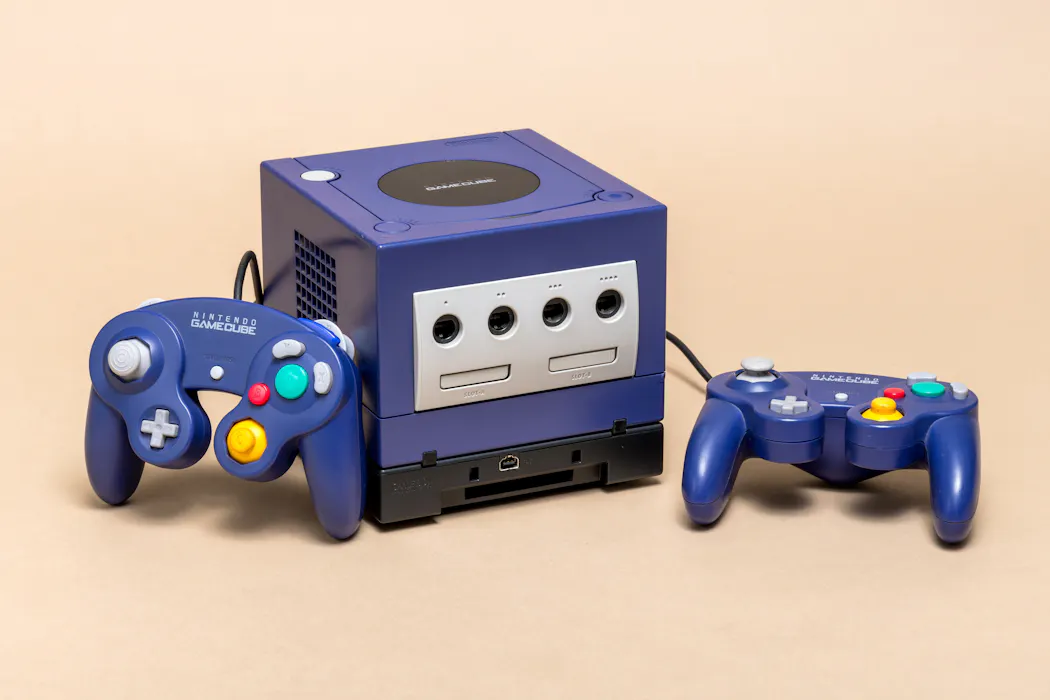
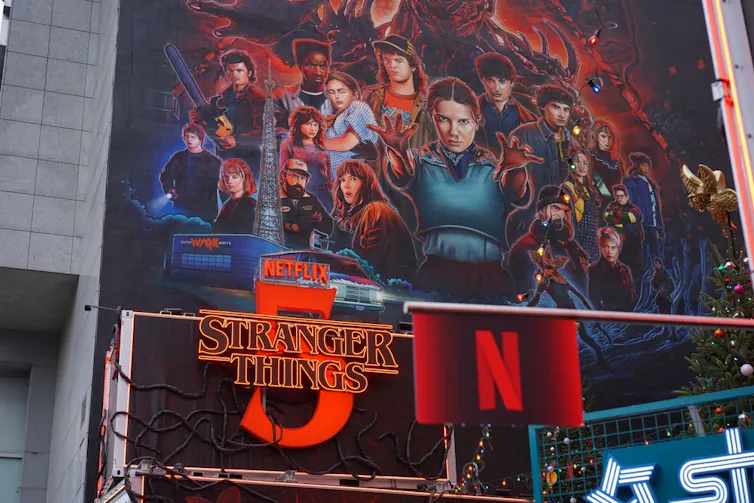
Retro is booming. Nintendo keeps bringing back old games. Hollywood can’t stop making sequels and remakes. Netflix fills our screens with shows inspired by the 1980s. Spotify recommends songs we loved as teenagers. Even Facebook reminds us what we were doing “On This Day” ten years ago.
For businesses, the past has become big. The market for retro entertainment has never been stronger. Companies know that looking backwards can help sell products today. A familiar logo, an old game or a favourite song can create an instant emotional connection with customers.
For years, researchers have explained this success through nostalgia. Looking back on happy memories can make us feel connected to who we are, remind us of people we care about and even help us cope with difficult times. Marketers have learned to tap into these feelings by bringing back old brands, old designs and old experiences.
But what if businesses become too good at selling nostalgia? Research I carried out with colleagues suggests that digital technology is changing nostalgia itself. Ironically, by making the past permanently available, companies may be weakening the very notion they are trying to sell.
Achim Wagner
Video games show this better than almost any other industry. Not long ago, if you missed an old game, that was it. Consoles became obsolete, cartridges stopped working and arcade machines disappeared. Part of what made those games special was that they belonged to another time.
Today, the opposite is true. Nintendo lets players revisit classic games through online subscriptions. PlayStation regularly releases remastered versions of older titles. Publishers such as Nightdive Studios restore forgotten games for modern computers. Fans can play hundreds of classics through online archives. Old games rarely stay old for long.
Three connected practices
In our research, we argue that companies increasingly rely on three connected practices.
The first is preservation. Digital archives, cloud storage and online libraries keep games, films, music and photographs available for decades instead of allowing them to disappear.
The second is restoration. Old products are cleaned up for modern audiences. Games receive better graphics and sound. AI improves old photographs and recordings. The past returns looking newer than ever.
The third is “foreverisation”. This goes beyond preserving or restoring the past. Companies continually remake, reboot and recycle successful ideas so they never really leave the market. Instead of revisiting the past once in a while, consumers encounter endless new versions of it.
Gaming makes these changes especially easy to see. But the same pattern now shapes television, music, film, fashion and even our personal memories stored on digital platforms.
Nostalgia is bittersweet
This is where philosopher Grafton Tanner offers an interesting twist. He argues that today’s culture is less nostalgic than we think. That sounds strange at first. After all, we seem surrounded by nostalgia. But nostalgia has traditionally depended on something being gone. You missed the TV show because it was no longer broadcast. Your favourite toy broke. The record went out of print. The band split up. The past mattered because you couldn’t go back to it, but now you can – easily.
Psychologists have long argued that nostalgia is bittersweet. It combines warm memories with the knowledge that those moments can’t be relived exactly as they were. That feeling of loss gives nostalgia much of its emotional power.
Digital technology changes this relationship with the past. Almost nothing truly disappears anymore. Old films stream on demand. Games are endlessly remastered. Social media reminds us of what happened years ago without us even asking. Instead of remembering the past, we increasingly live alongside it. The more the past stays present, the less distant it feels. And without distance, nostalgia may become something different.
Selling familiarity
This creates an interesting challenge for businesses. Retro products clearly remain successful. But perhaps companies are no longer selling nostalgia itself. Instead, they may be selling something close to it: familiarity, comfort and recognition.
Those feelings are valuable. Consumers often enjoy revisiting favourite characters, songs and brands. Familiar products also feel safer in uncertain times, which helps explain why companies continue investing in them. Yet our research suggests there is a potential limit to this strategy.
If nostalgia depends on time, distance and the feeling that something has been lost, then endlessly reproducing the past may slowly erode the conditions that make nostalgia powerful in the first place. Consumers may stop longing for the past because the past never actually goes away.
That doesn’t mean retro marketing will suddenly stop working. Familiarity will always have commercial value. But familiarity and nostalgia are not quite the same thing. The irony is hard to miss. The companies that have become most successful at preserving, restoring and “foreverising” the past may eventually exhaust the emotional resource they depend on.
Gaming shows this most clearly today. But as streaming platforms, AI, social media and heritage brands increasingly keep the past permanently within reach, every industry may face the same question: the future of nostalgia may depend on whether we’re still allowed to let go of the past.

Jonatan Sodergren does not work for, consult, own shares in or receive funding from any company or organisation that would benefit from this article, and has disclosed no relevant affiliations beyond their academic appointment.